From food waste to sustainable success - Hyatt's journey with Generation Waste
Food waste is one of the biggest challenges in the hotel and restaurant industry, both from an economic and sustainability perspective. At Hyatt Place, formerly Hotel G in Gothenburg, F&B Manager Heidi Johansson saw an opportunity to make a real change. By implementing Generation Waste, the hotel was able to reduce its food waste by 90% from over 200 grams per guest to only 20 grams.
Thanks to Nore's access to industry-leading partners such as Generation Waste, more hotels and restaurants can undertake the same journey towards a more sustainable and resource-efficient business.
The challenge: A hidden problem with big consequences
When Heidi Johansson started at Hyatt, she quickly realized that food waste was a big challenge. Large amounts of food were thrown away daily, often without anyone reflecting on it. Reducing food waste would not only have a positive impact on the environment, but also improve the profitability of the hotel.
Heidi had previously been in contact with Generation Waste and saw the potential in their solution. When she started at the Hyatt, it felt obvious to resume dialogue.
—"The simplicity of their tools and the ability to integrate it into our everyday lives was crucial. We quickly realized that this could make a big difference both for our business and for the environment.”
The solution: Data, insights and new practices
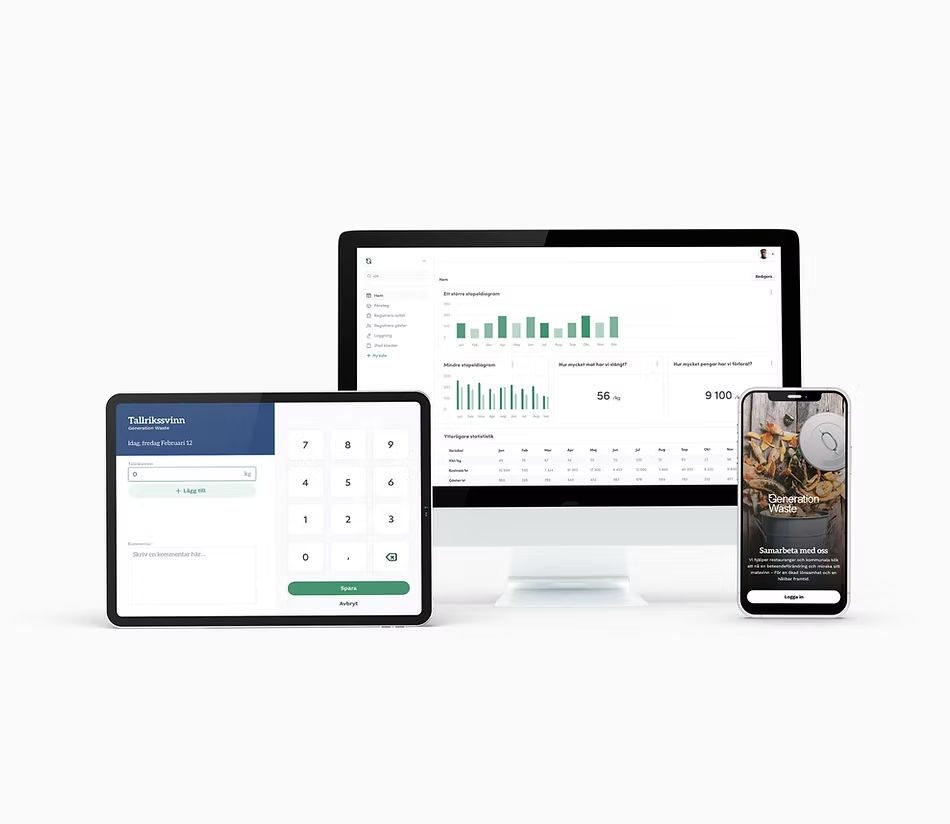
By measuring and analysing the waste, the team got a clear picture of where the potential for improvement existed. With support from Generation Waste, the hotel implemented incremental changes and established new routines in the kitchen.
Nores is actively working to enable more hotels and restaurants to have access to these types of solutions, thereby streamlining their operations, reducing waste and increasing profitability.
The result: 90% less food waste in a short time
Thanks to systematic measurement and creative solutions, food waste could be drastically reduced. Some of the most effective measures included:
Reuse of raw materials
Vegetable leftovers that were previously thrown away are now used in soups and sauces.
Bread recycling
Leftover bread from the breakfast buffet turns into croutons or breadcrumbs.
Efficient use of resources
Surplus food is reused creatively, which both reduces waste and saves money.
Hyatt today has one of the industry's lowest food wastes per guest, a change that has led to both economic and environmental benefits.
The Key to Success: A Committed Team
Heidi stresses that the change would never have been possible without the commitment of the staff:
“Our chefs, dishwashers, breakfast staff and the whole team ensure that routines are followed on a daily basis. Everyone pushes each other and takes responsibility, which creates a sense of participation and pride.”
Creating a culture where sustainability is a natural part of the work has been crucial. By involving the entire team and demonstrating concrete results, the change work has become both inspiring and motivating.
The next step:
Communication and further development
• Communicate progress to guests and raise awareness about food waste.
• Inspire and engage staff even more through training and new initiatives.
• Explore certifications and industry initiatives to further strengthen sustainability efforts.
“It's not just about reducing food waste, it's about creating awareness and contributing to a more sustainable future.”
Hyatt's journey is an inspiring example of how the right solutions can lead to big savings both financially and environmentally.
What can your hotel or restaurant do?
Do you also want to reduce food waste and work more sustainably? As a member of Nores, you will have access to innovative solutions such as Generation Waste and other tools to help you optimize your business.
Contact Nores i or Generation Waste salj@generationwaste.com Today to take the next step towards a more sustainable future!
Employees

Ordering and inventory of goods online

Best Supplier Agreements on the Market
Analyze and streamline your purchasing routines
Regular payments based on deal-loyalty
Trade fairs, tours, courses, industry hits and digital learning
Environmental requirements for suppliers and utilities to reduce food waste
Members' evaluations, quality perception and needs form the basis of supplier negotiations